


Har Ki Dun Trek Overview
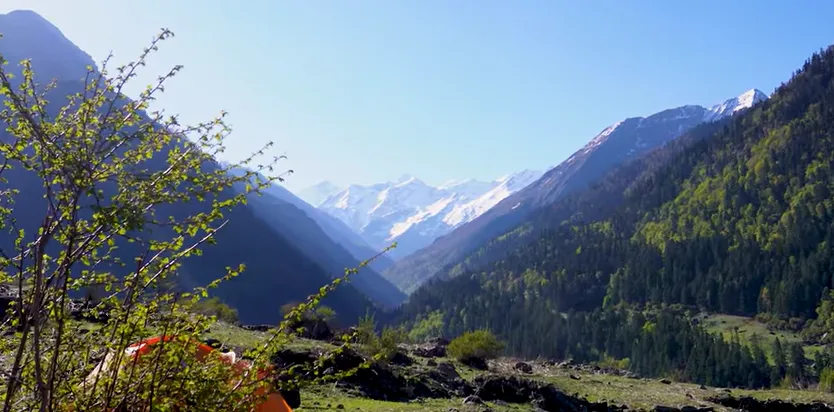
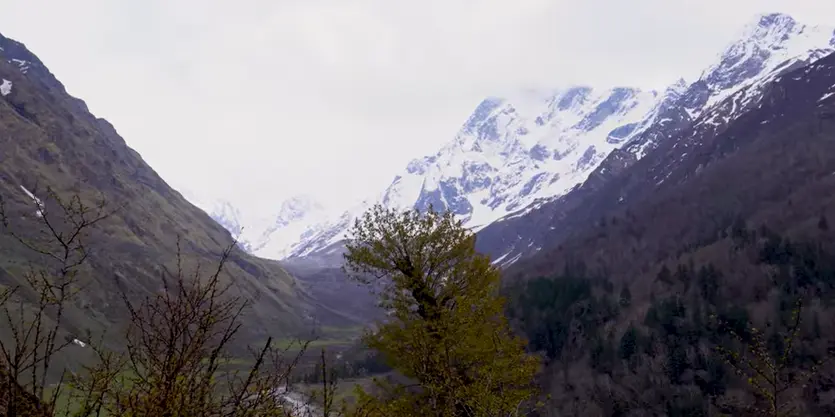
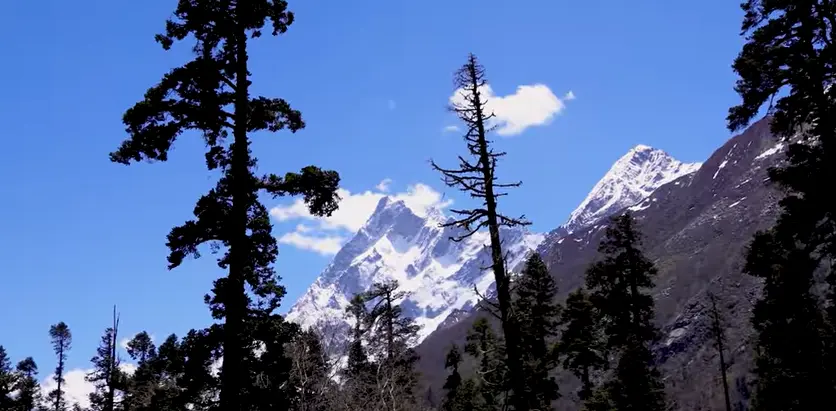
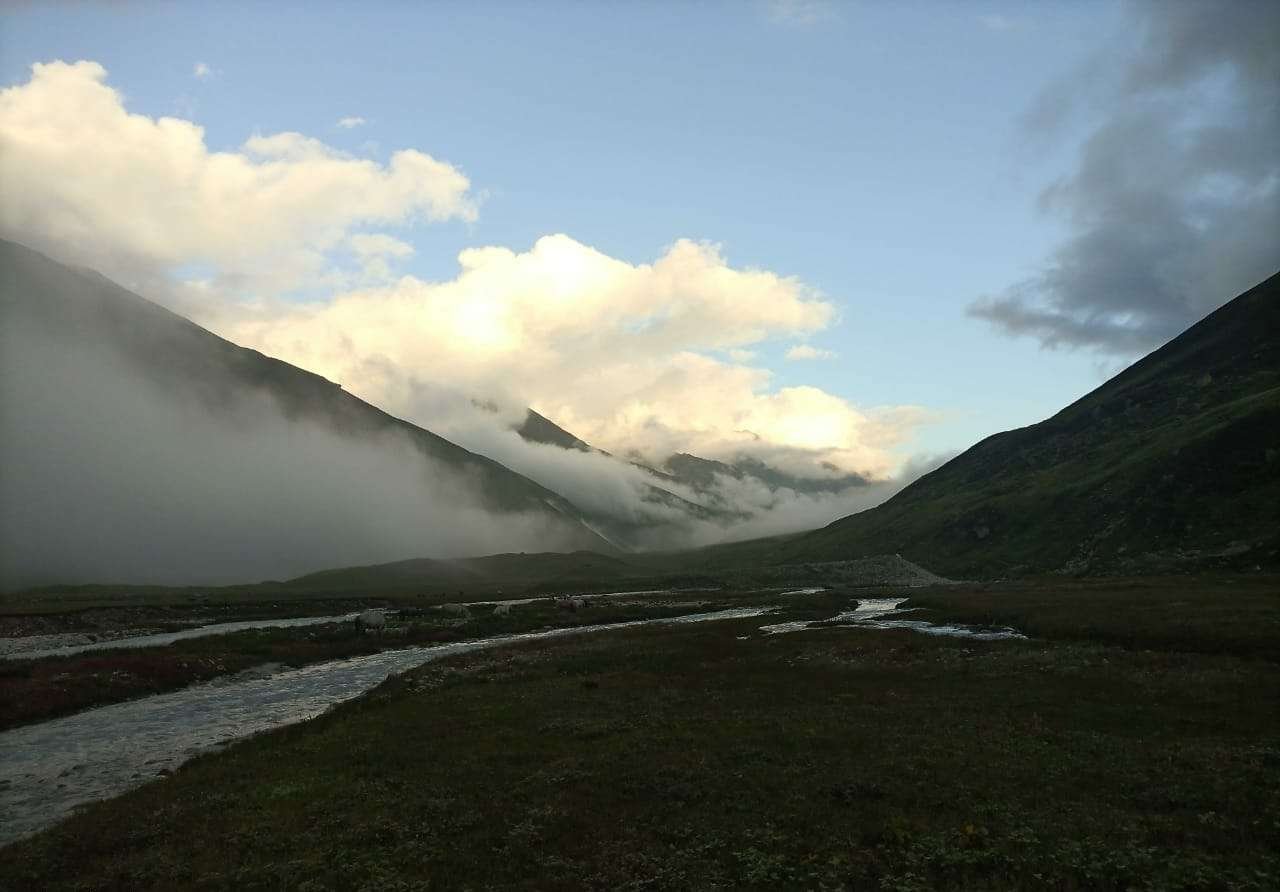
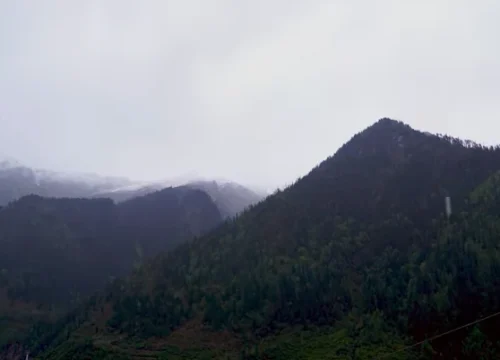
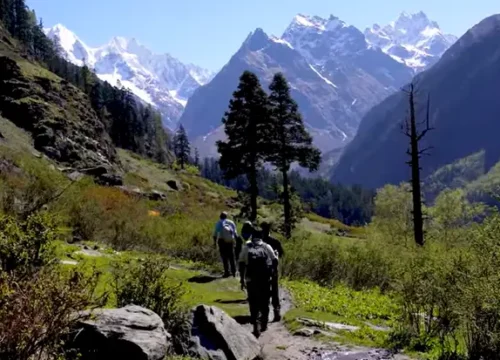
The Har Ki Dun Trek is one of the most beautiful and culturally rich Himalayan treks in Uttarakhand. Located in the Garhwal region, this trek takes you deep into a wide mountain valley surrounded by snow-covered peaks, dense pine forests, alpine meadows, and flowing rivers. Known as the “Valley of Gods,” Har Ki Dun is perfect for trekkers who want a peaceful and scenic mountain experience.
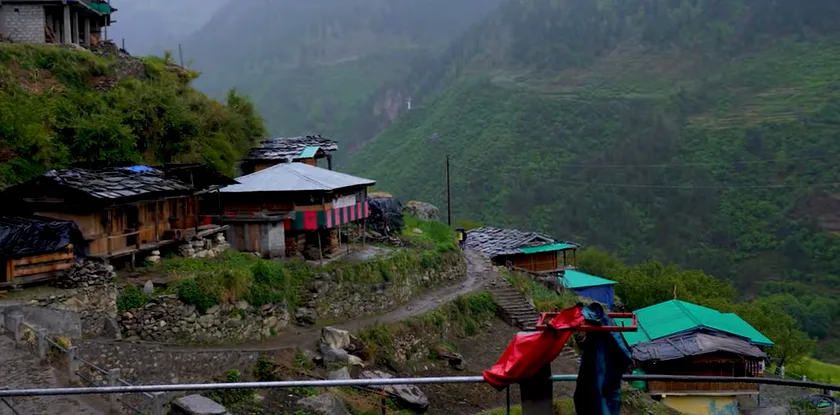
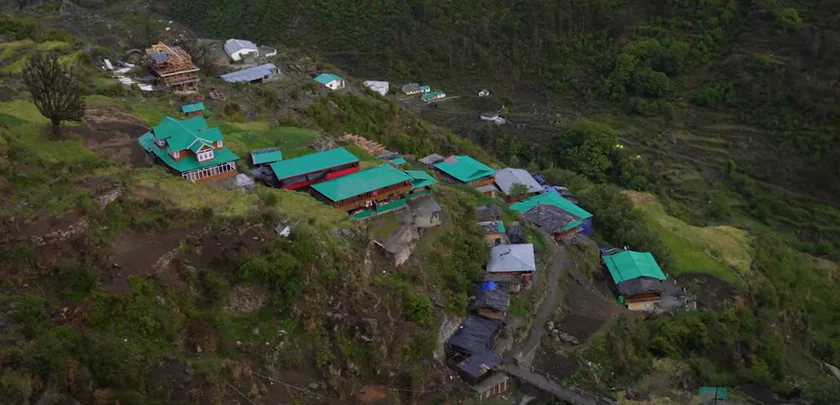
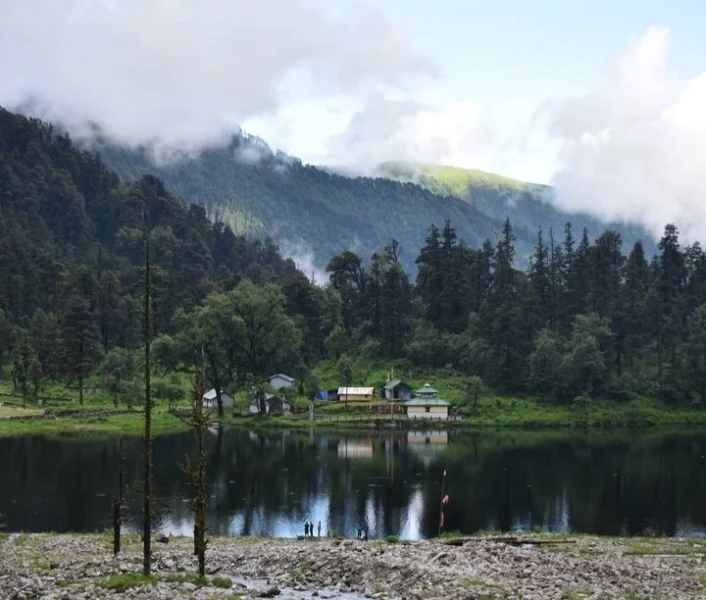
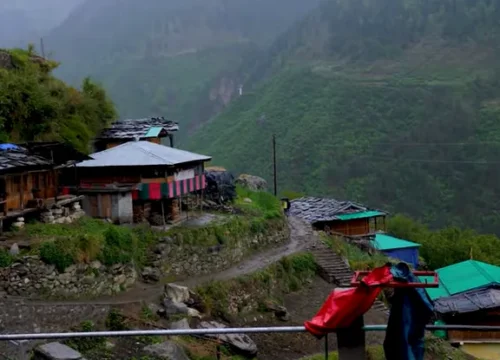
This trek starts from the remote village of Sankri and follows the trail along the Supin River. As you walk through the valley, you pass ancient Himalayan villages like Osla, where wooden houses, traditional temples, and local lifestyle are still preserved. The route offers a rare chance to experience both natural beauty and local mountain culture in one journey.
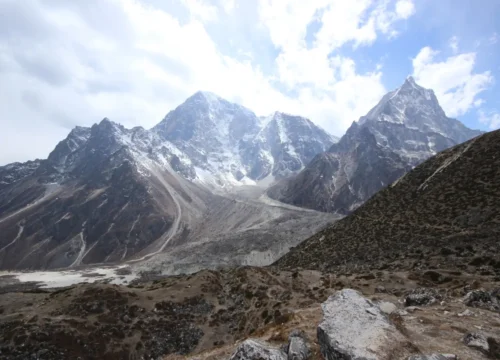
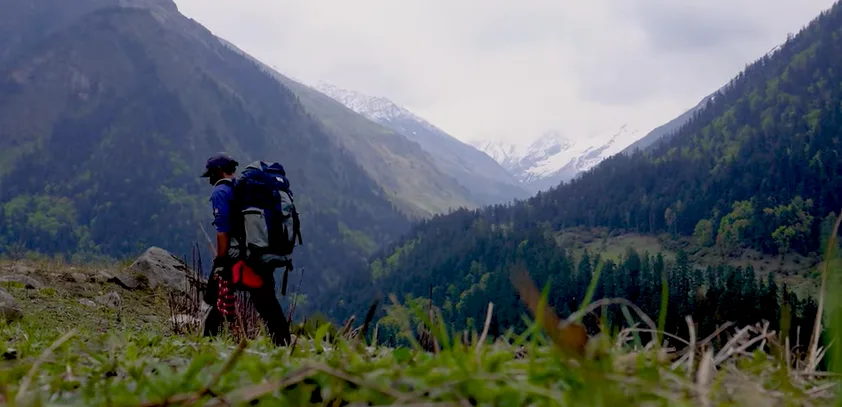
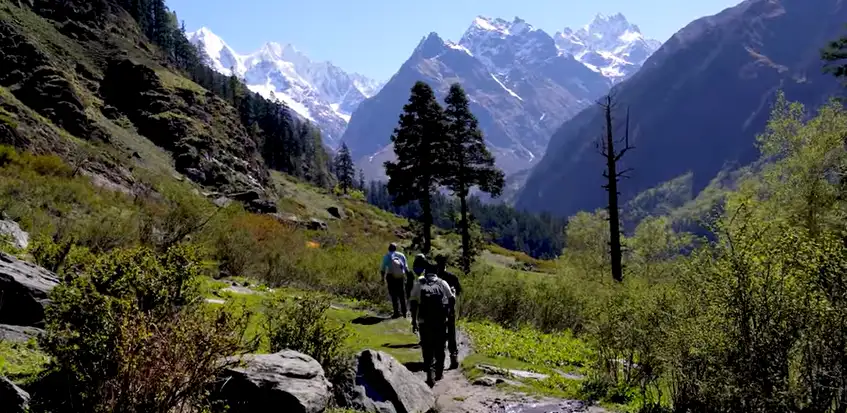
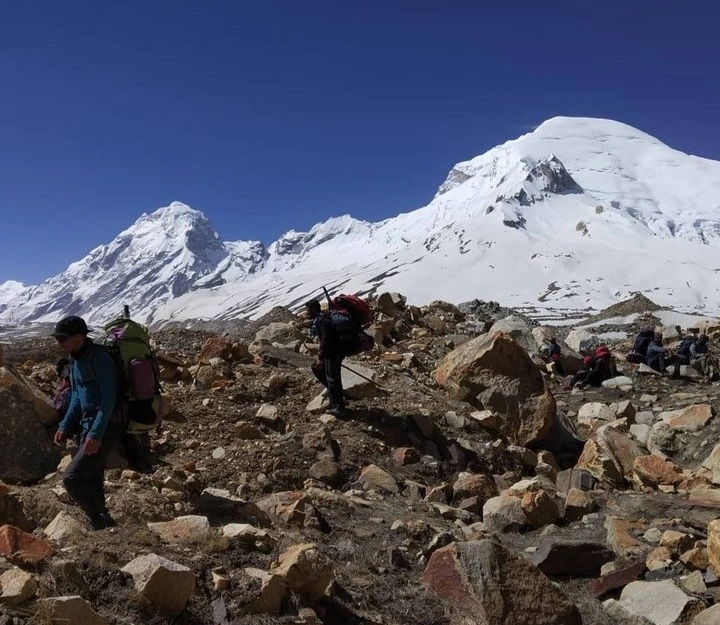
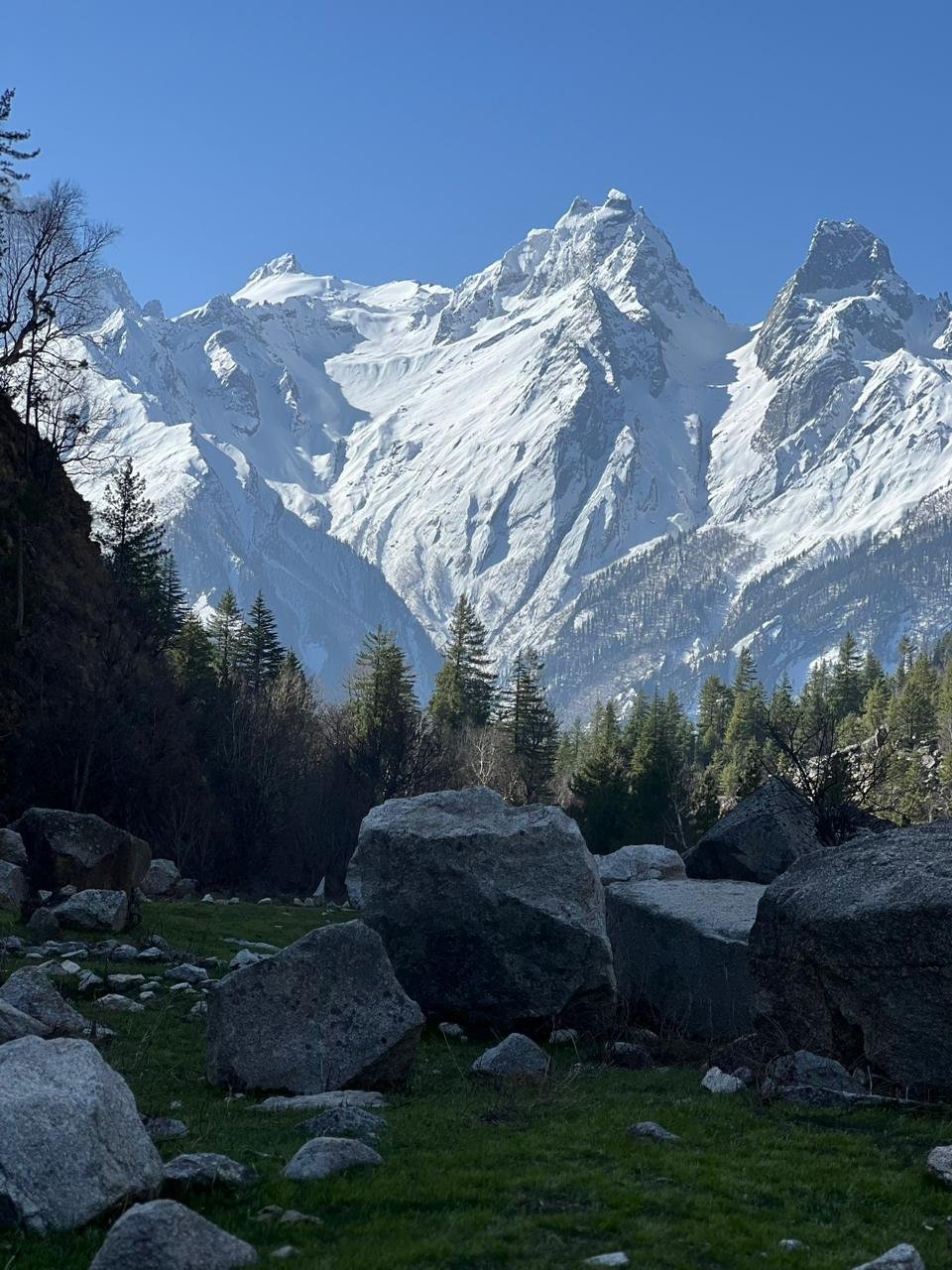
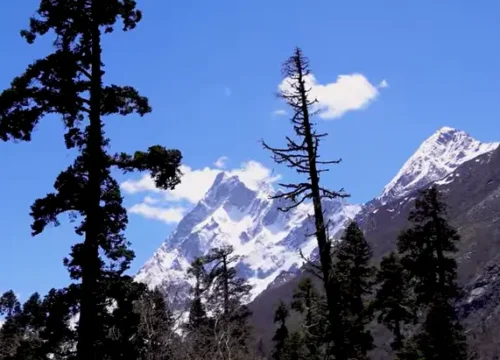
The Har Ki Dun trek is considered a moderate-level trek, making it suitable for beginners with basic fitness as well as experienced trekkers. The trail has gradual ascents, well-defined paths, and safe campsites. Throughout the trek, you get clear views of famous peaks such as Swargarohini, along with open meadows and glacier-fed streams.
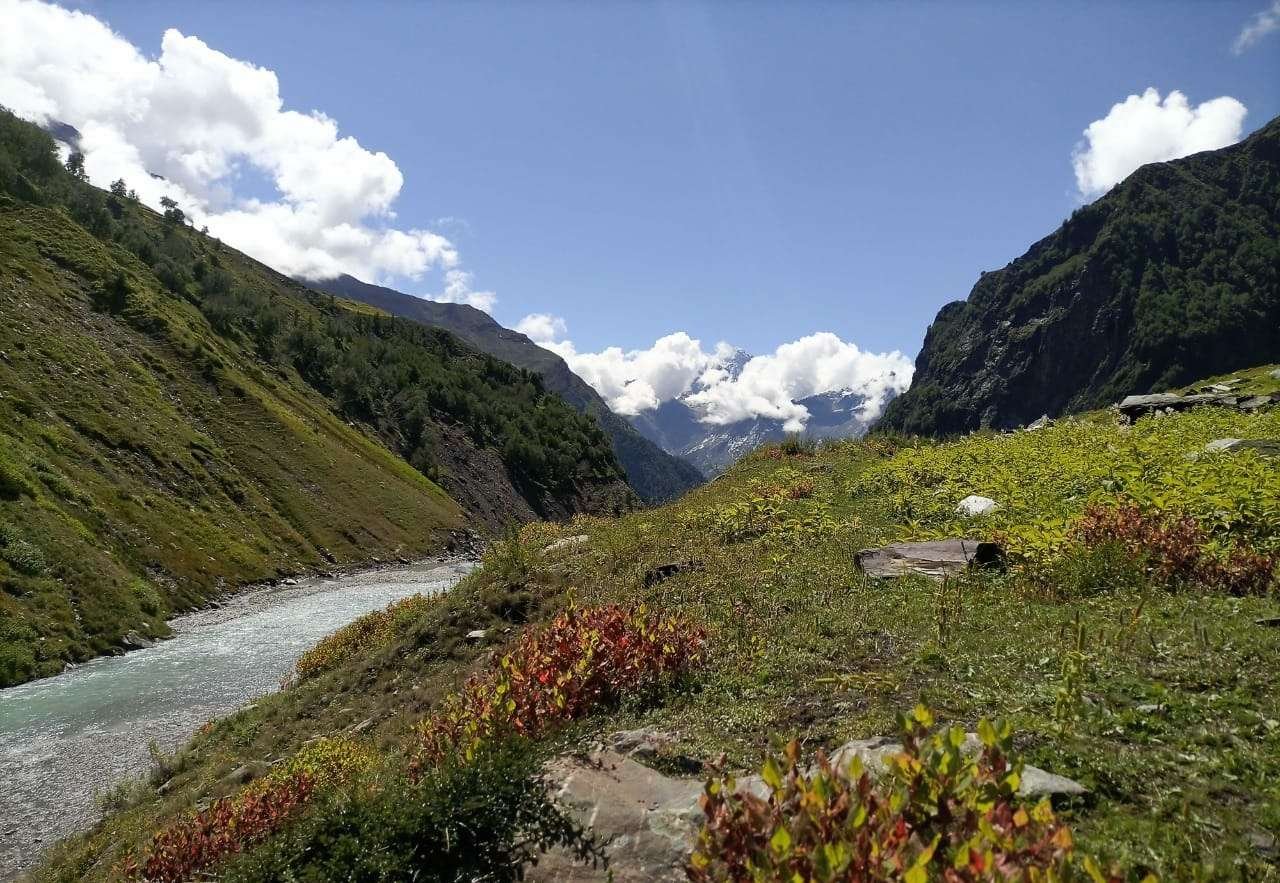
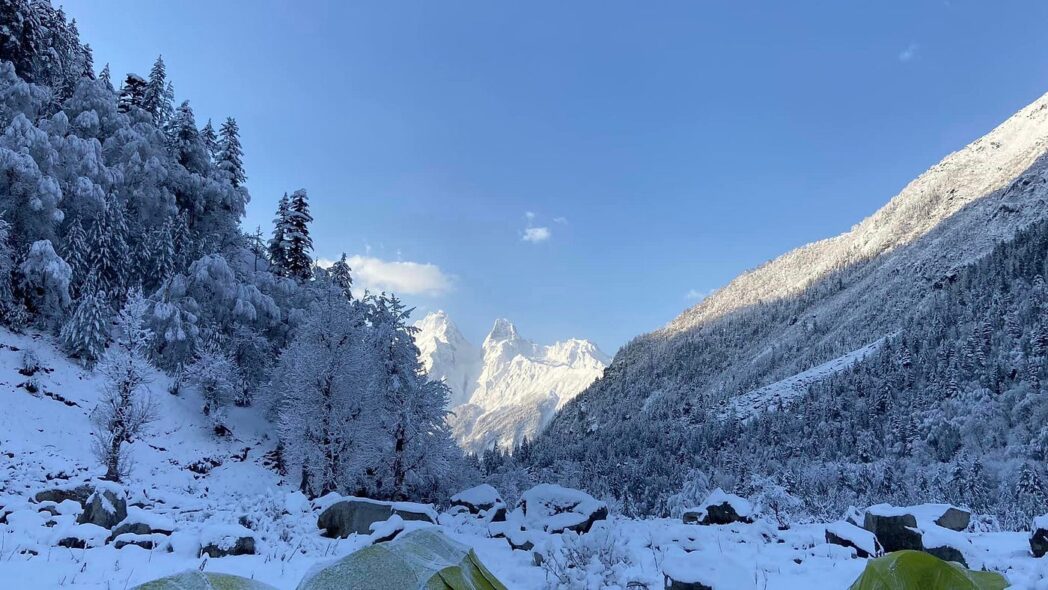
Har Ki Dun is best visited during spring, summer, and autumn when the weather remains pleasant and the valley looks its best. In spring, the trail is covered with snow, while summer brings greenery and flowers. Autumn offers clear skies and sharp mountain views, making it a favorite season for photography.
With its stunning landscapes, rich village life, and well-planned trail, the Har Ki Dun Trek is an ideal choice for anyone looking for a safe, scenic, and meaningful Himalayan adventure. Satt Expeds brings this classic valley trek to you with a focus on comfort, safety, and an authentic mountain experience.
Important Details – Har Ki Dun Trek
- Location: Har Ki Dun is located in the Garhwal Himalayas of Uttarakhand and lies inside the Govind Pashu Vihar National Park.
- Trek Duration: The Har Ki Dun trek is completed in 7 days, including travel from Dehradun to Sankri and back.
- Total Trek Distance: The total trekking distance is around 37 km, covered over multiple days with gradual ascents.
- Maximum Altitude: The highest point of the trek is approximately 11,600 feet, which helps reduce the risk of altitude sickness.
- Trek Difficulty: This is a moderate-level trek, suitable for beginners who have basic fitness and some walking experience.
- Starting Point: The trek starts from Taluka village, which is reached by road from Sankri.
- Base Village: Sankri village serves as the base camp and is also used for accommodation before and after the trek.
- Accommodation: Stay includes guesthouse accommodation in Sankri and camping tents during the trekking days.
- Mobile Network: Mobile connectivity is available in Sankri but becomes unavailable once the trek starts.
- Electricity: Electricity is limited in Sankri and not available at campsites, so carrying power banks is advised.
- Food: Simple, hygienic vegetarian meals are provided during the trek to support energy and digestion at high altitude.
- Permits: Forest entry permits are required for Har Ki Dun and are arranged before the trek begins.
- Weather Conditions: Weather in the mountains can change quickly, with cold nights even during summer months.
- Best Time to Visit: The best time for the Har Ki Dun trek is from March to June and from September to November.
Har Ki Dun Trek Highlights
- Classic Himalayan Valley Trek: Har Ki Dun is a wide and open valley trek in Uttarakhand, known for long walking trails, gradual ascents, and peaceful mountain surroundings.
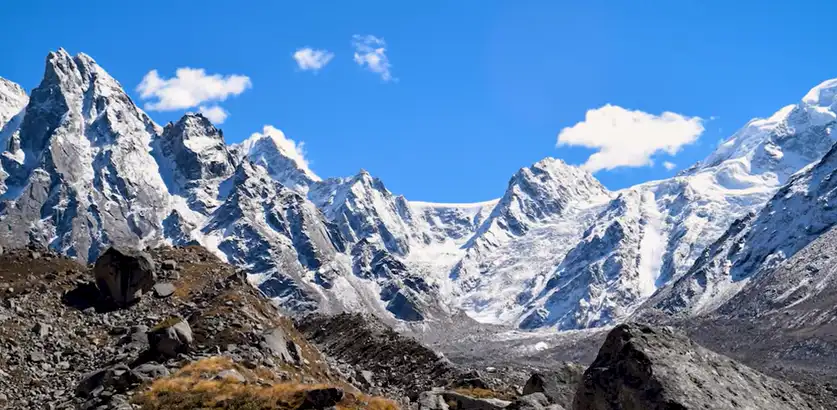
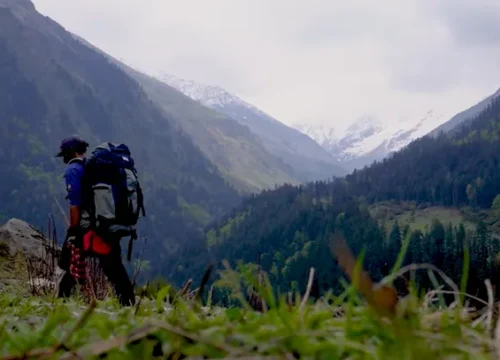
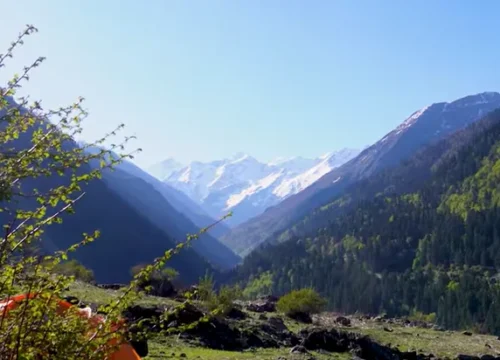
- Stunning Mountain Views: The trek offers continuous views of snow-covered Himalayan peaks, including the Swargarohini range, visible clearly from meadows and campsites.
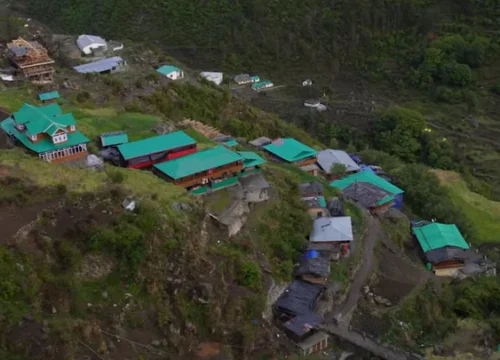
- Ancient Himalayan Villages: Walk through traditional villages like Osla, where wooden houses, local temples, and old mountain culture are still preserved.
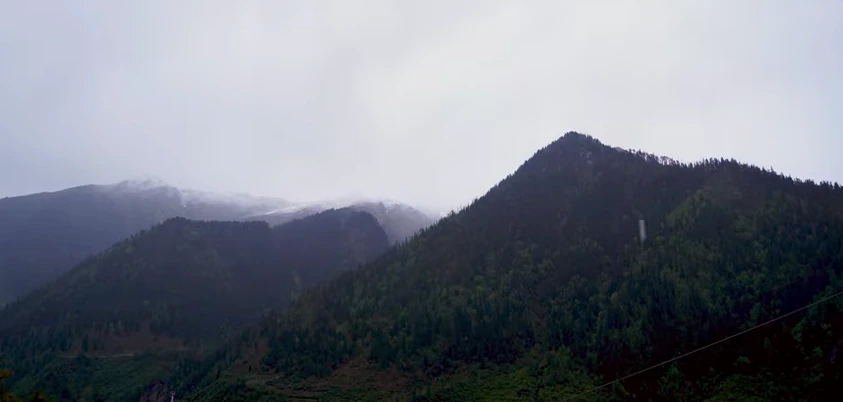
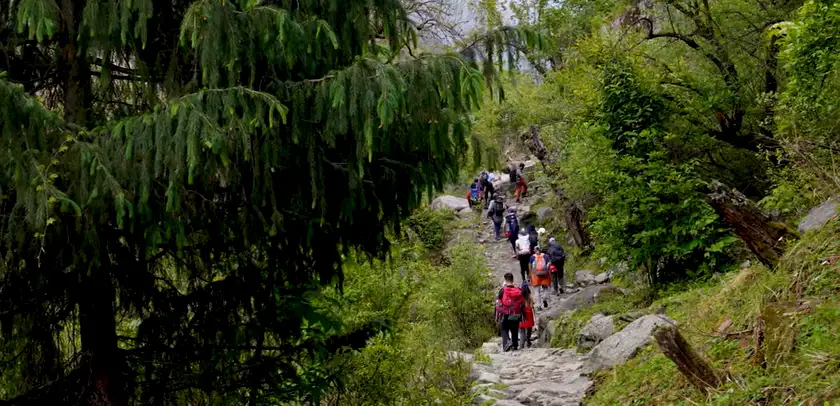
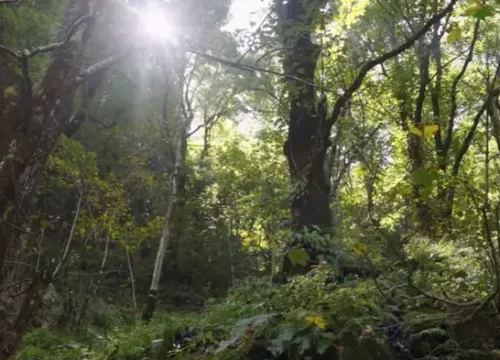
- Rich Forest Trails: The route passes through dense pine and deodar forests with wooden bridges, streams, and shaded walking paths.
- Alpine Meadows: Open grasslands around Kalkattiyadhar and Har Ki Dun provide wide views, fresh air, and perfect resting spots during the trek.
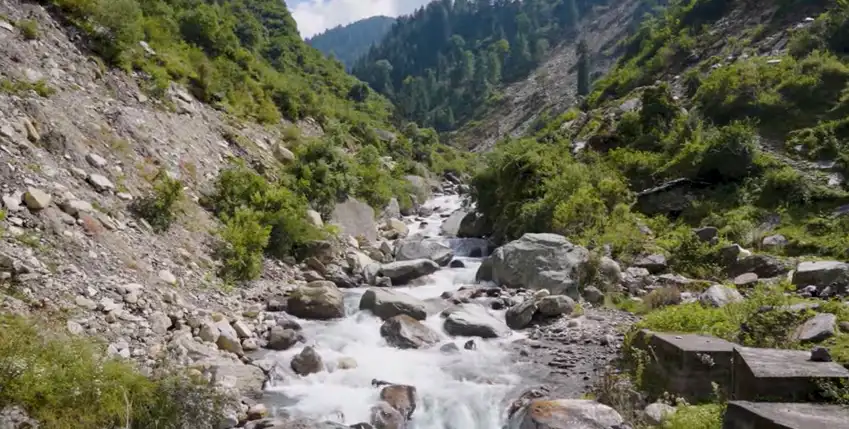
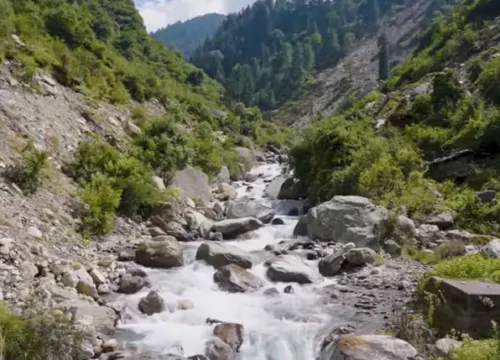
- River-side Walking: Large sections of the trail follow the Supin River, offering soothing sounds of flowing water and scenic river valleys.
- Beginner-Friendly Route: The Har Ki Dun trek is considered a moderate trek with gradual altitude gain, making it suitable for first-time Himalayan trekkers with basic fitness.
- Seasonal Beauty: In spring, the trail has snow and blooming flowers, while summer brings greenery and autumn offers clear skies and sharp mountain views.
- Peaceful and Less Crowded: Compared to many popular treks, Har Ki Dun remains calm and quiet, offering a relaxed and immersive trekking experience.
- Well-Planned Itinerary: The trek itinerary allows proper acclimatization, safe campsites, and balanced walking days, ensuring a comfortable mountain journey.
Cultural Significance of Har Ki Dun Trek
- Ancient Himalayan Villages: The Har Ki Dun trek passes through old villages like Osla and Sankri, where people still follow traditional mountain lifestyles.
- Wooden Architecture: Houses in these villages are made using wood and stone, designed to survive harsh winters and heavy snowfall.
- Local Temples: Villages along the trail have ancient temples that are central to daily life and local beliefs.
- Mahabharata Connection: Har Ki Dun valley is believed to be linked to the Pandavas, who are said to have taken this route on their journey to heaven.
- Swargarohini Belief: The Swargarohini mountain range seen from the valley is traditionally believed to be the stairway to heaven.
- Traditional Clothing: Locals wear woollen clothes and handmade garments suited to cold mountain weather.
- Farming Practices: Villagers depend on terrace farming, growing crops like potatoes, grains, and seasonal vegetables.
- Simple Lifestyle: Life in the valley is slow and peaceful, with strong community bonds and respect for nature.
- Local Food: Traditional meals are simple and nutritious, prepared using locally grown ingredients.
- Living Heritage: Walking through Har Ki Dun is like stepping into a living museum of Himalayan culture that has remained unchanged for generations.
Religious Significance of Har Ki Dun Trek
- Land of the Gods: Har Ki Dun is often called the “Valley of Gods” and is considered a sacred region by local communities.
- Pandava Belief: According to local belief, the Pandavas from the Mahabharata passed through this valley during their journey towards heaven.
- Swargarohini Peaks: The Swargarohini mountain range is believed to be the stairway to heaven used by the Pandavas.
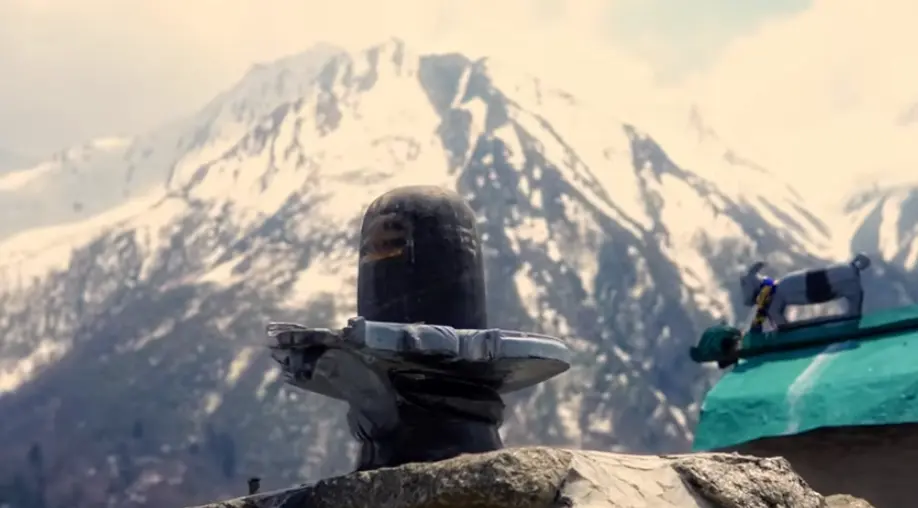
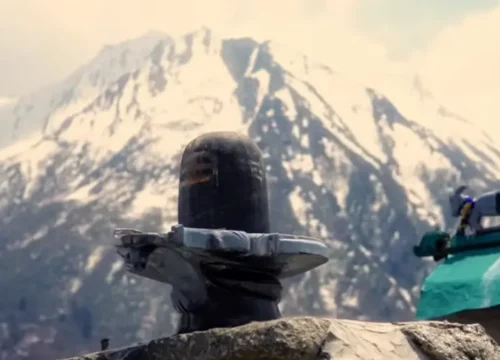
- Ancient Temples: Villages like Osla have old temples dedicated to Lord Shiva and other local deities, worshipped daily by villagers.
- Someshwar Temple: The Someshwar Mahadev Temple in Osla village holds strong religious importance and is central to village life.
- Local Deities: Each village along the route has its own deity, believed to protect the land, people, and livestock.
- Seasonal Worship: Before entering higher pastures, locals perform prayers seeking safety and good weather.
- Respect for Nature: Mountains, rivers, and forests are considered sacred, and harming nature is discouraged.
- Traditional Rituals: Religious festivals and rituals are still followed as per old customs passed down through generations.
- Spiritual Experience: The calm valley, silence, and natural surroundings offer a peaceful and spiritual atmosphere for visitors.
Flora and Fauna of Har Ki Dun Trek
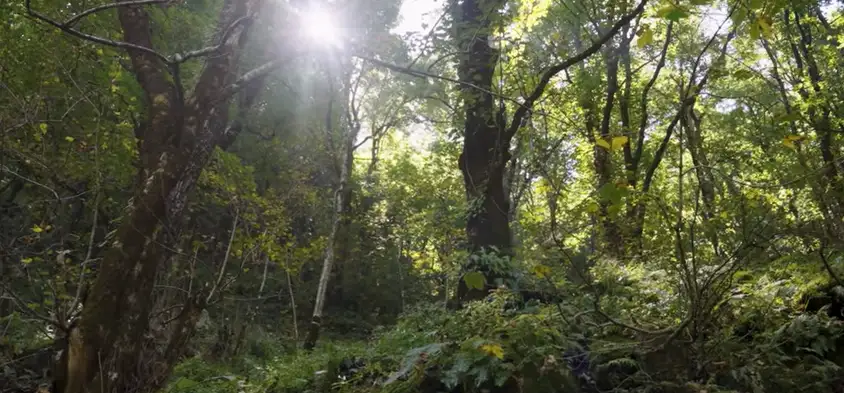
- Rich Forest Cover: The Har Ki Dun trek passes through dense forests dominated by pine, deodar, oak, and cedar trees.
- Alpine Vegetation: As the altitude increases, forest areas slowly change into alpine grasslands and open meadows.
- Seasonal Flowers: During spring and early summer, the valley is covered with colorful wildflowers and mountain herbs.
- Medicinal Plants: The region is known for natural medicinal plants used by locals for traditional remedies.
- River-side Plants: Mosses, shrubs, and small flowering plants grow along the Supin River and nearby streams.
- Birdlife: The forests are home to many Himalayan birds, making the trek ideal for birdwatching.
- Wild Animals: Animals such as Himalayan langurs, barking deer, and mountain foxes are found in the region.
- High-Altitude Species: At higher reaches, trekkers may spot blue sheep grazing on steep slopes.
- Protected Area: Har Ki Dun lies within a protected wildlife zone, which helps preserve its natural ecosystem.
- Natural Balance: The valley maintains a healthy balance between forests, wildlife, and human settlements, making it one of the most naturally rich trekking regions in Uttarakhand.
Best Time to Visit Har Ki Dun Trek
- Spring Season (March to April): This is one of the best times to visit Har Ki Dun, with snow on the trail, blooming flowers, and cool daytime temperatures.
- Early Summer (May to June): The valley turns green, snow melts from lower sections, and the weather remains pleasant for long walks.
- Autumn Season (September to November): Clear skies, sharp mountain views, and dry trails make this season ideal for trekking and photography.
- Best Visibility: Autumn offers the clearest views of the Swargarohini range and surrounding Himalayan peaks.
- Snow Experience: Spring is best for trekkers who want to experience snow along the trail.
- Comfortable Walking: Summer and autumn provide stable weather and comfortable trekking conditions.
- Monsoon Avoidance: The trek is not recommended during July and August due to heavy rainfall and slippery trails.
- Winter Closure: Heavy snowfall usually makes the route inaccessible during peak winter months.
- Ideal for Beginners: Spring and summer seasons are best for first-time Himalayan trekkers.
- Seasonal Planning: Choosing the right season helps ensure safety, comfort, and the best overall trekking experience.
Har Ki Dun Trek Weather Guide
- Spring Weather: Day temperatures range between 8°C to 15°C, while nights can drop below 0°C at higher camps.
- Summer Weather: Daytime temperatures stay between 10°C to 20°C, with cool and comfortable trekking conditions.
- Autumn Weather: Day temperatures range from 5°C to 12°C, with cold nights and early morning frost.
- Night Temperatures: Nights are cold throughout the year and can drop to sub-zero levels near Har Ki Dun.
- Sudden Weather Changes: Mountain weather can change quickly, with clouds, wind, and light snowfall possible.
- Wind Conditions: Open valleys and campsites experience strong winds, especially in the evening.
- Rain and Snow: Light rain or snow may occur depending on the season and altitude.
- Layered Clothing: Wearing layers is essential to adjust to changing temperatures during the day.
- Sun Exposure: Sunny days can feel warm, so sun protection is important even in cold weather.
- Weather Preparedness: Being prepared for cold, wind, and sudden changes ensures a safe trekking experience.
Har Ki Dun Trek – Frequently Asked Questions (FAQs)
- Where is Har Ki Dun trek located?
Har Ki Dun trek is located in the Garhwal Himalayas of Uttarakhand and falls inside the Govind Pashu Vihar National Park. Sankri is the base village. - How many days are required for the Har Ki Dun trek?
The complete Har Ki Dun trek takes 7 days, including travel from Dehradun to Sankri and return. - What is the maximum altitude of Har Ki Dun trek?
The highest altitude reached during the trek is approximately 11,600 feet. - Is Har Ki Dun trek suitable for beginners?
Yes, this trek is suitable for beginners who have basic fitness and can walk for several hours daily. - What is the total trekking distance of Har Ki Dun?
The total trekking distance is around 37 kilometers, spread over multiple days. - What is the best time to visit Har Ki Dun trek?
The best time is from March to June and from September to November for safe and comfortable trekking. - Does Har Ki Dun trek have snow?
Snow is usually present during spring months and at higher camps depending on the season. - What type of accommodation is provided?
Accommodation includes guesthouse stays in Sankri and camping in tents during trekking days. - Is mobile network available during the trek?
Mobile network is available in Sankri but usually not available once the trek starts from Taluka. - What kind of food is provided during the trek?
Simple, fresh, and hygienic vegetarian meals are provided throughout the trek. - Are permits required for Har Ki Dun trek?
Yes, forest permits are required as the trek lies inside a protected area and are arranged in advance. - How difficult is the Har Ki Dun trek?
The trek is graded as moderate due to long walking days but has gradual ascents. - Is altitude sickness a risk on this trek?
The risk is low because of gradual altitude gain, but proper hydration and rest are important. - What wildlife can be seen during the trek?
Trekkers may spot Himalayan birds, langurs, barking deer, and blue sheep in higher areas. - Why is Har Ki Dun called the Valley of Gods?
The valley is linked to Mahabharata legends, where the Pandavas are believed to have passed through this region on their journey to heaven.
Trek Fitness Requirements for Har Ki Dun
- Basic Fitness Level: Har Ki Dun is a moderate trek, so trekkers should have basic fitness and stamina to walk for long hours on mountain trails.
- Daily Walking Duration: You should be comfortable walking for 5 to 6 hours a day with short breaks in between.
- Distance Ability: Trekkers should be able to cover 8 to 10 kilometers of walking in a single day on uneven terrain.
- Cardio Fitness: Good heart and lung fitness is important to manage continuous walking and altitude changes.
- Running or Brisk Walking: You should be able to jog or brisk walk 4 to 5 kilometers within 30 to 35 minutes.
- Leg Strength: Strong legs help during ascents and long descents, especially on forest and meadow trails.
- Stair Climbing: Practicing stair climbing improves endurance and prepares knees for downhill sections.
- Backpack Comfort: You should be comfortable carrying a small backpack with personal essentials during the trek.
- Acclimatization: Good fitness helps the body adjust better to altitude and reduces fatigue.
- Pre-Trek Training: Regular walking, jogging, and light strength training for at least 3 to 4 weeks before the trek is recommended.
- Flexibility: Simple stretching exercises help prevent muscle stiffness and injuries during the trek.
- Overall Readiness: Proper fitness ensures you enjoy the trek safely and complete it comfortably without physical strain.
Food During Har Ki Dun Trek
- Pure Vegetarian Meals: All meals during the Har Ki Dun trek are vegetarian to ensure easy digestion at high altitude.
- Nutritious and Balanced: Food is planned to provide enough energy, including carbohydrates, proteins, and healthy fats.
- Breakfast: Breakfast usually includes items like porridge, eggs, paratha, bread, butter, jam, and hot drinks.
- Lunch: Lunch is served on the trail or at campsites and includes rice, roti, vegetables, and lentils.
- Dinner: Dinner is a hot and filling meal served at campsites, helping the body recover after long walking hours.
- Snacks: Light snacks like biscuits, soup, or popcorn may be provided in the evening.
- Hygiene: Food is prepared in clean conditions using safe water and fresh ingredients.
- Hot Drinks: Tea, coffee, or soup is served regularly to keep the body warm.
- Drinking Water: Safe drinking water is provided after proper treatment at campsites.
- Energy Support: Proper meals help maintain stamina and reduce fatigue during the trek.
Safety on Har Ki Dun Trek
- Gradual Altitude Gain: The itinerary is designed to allow proper acclimatization and reduce altitude-related risks.
- Experienced Trek Leaders: Trained trek leaders and local staff guide the group throughout the journey.
- First Aid Support: Basic medical kits and oxygen support are available during the trek.
- Regular Health Checks: Trekkers are monitored for symptoms like headache, fatigue, or breathing difficulty.
- Weather Awareness: Daily movement depends on weather conditions to ensure safety.
- Well-Defined Trails: The trek follows marked and commonly used forest trails.
- Emergency Planning: Evacuation plans are in place in case of medical or weather emergencies.
- Group Movement: Trekkers are advised to stay with the group and follow instructions.
- Safe Campsites: Campsites are selected based on terrain safety and weather protection.
- Responsible Trekking: Following safety rules ensures a secure and enjoyable trek for everyone.
Things to Carry for Har Ki Dun Trek
- Trekking Shoes: Sturdy, high-ankle trekking shoes with good grip are essential.
- Warm Clothing: Carry thermals, fleece, and a padded jacket for cold temperatures.
- Rain Protection: A rain jacket or poncho is necessary due to sudden weather changes.
- Backpack: A comfortable backpack with rain cover for carrying personal items.
- Trekking Pole: Useful for balance during ascents and descents.
- Personal Medicines: Carry regular medicines and basic personal medical needs.
- Water Bottles: At least two reusable bottles for hydration.
- Headlamp or Torch: Required for early mornings and night use at campsites.
- Sun Protection: Sunglasses, sunscreen, and cap for protection against sun exposure.
- Personal Documents: Carry a valid ID proof and any required permits.
Har Ki Dun Trek Route Map
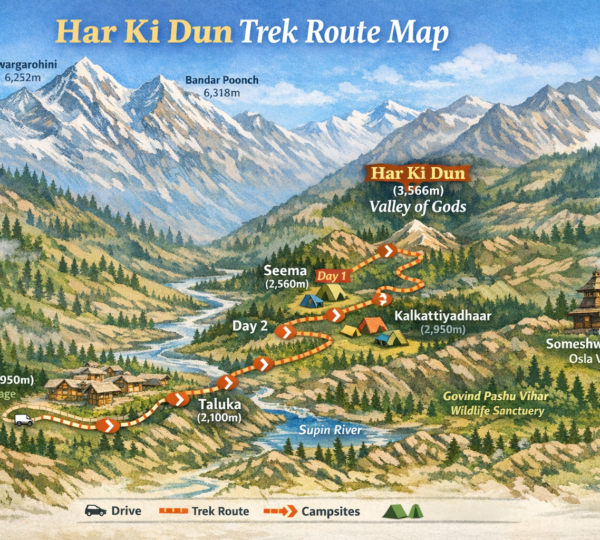
This map shows the exact location of the Har Ki Dun valley in Uttarakhand and helps you understand the trek region, nearby villages, and surrounding mountain terrain. It is useful for visualizing the route before starting the trek.